
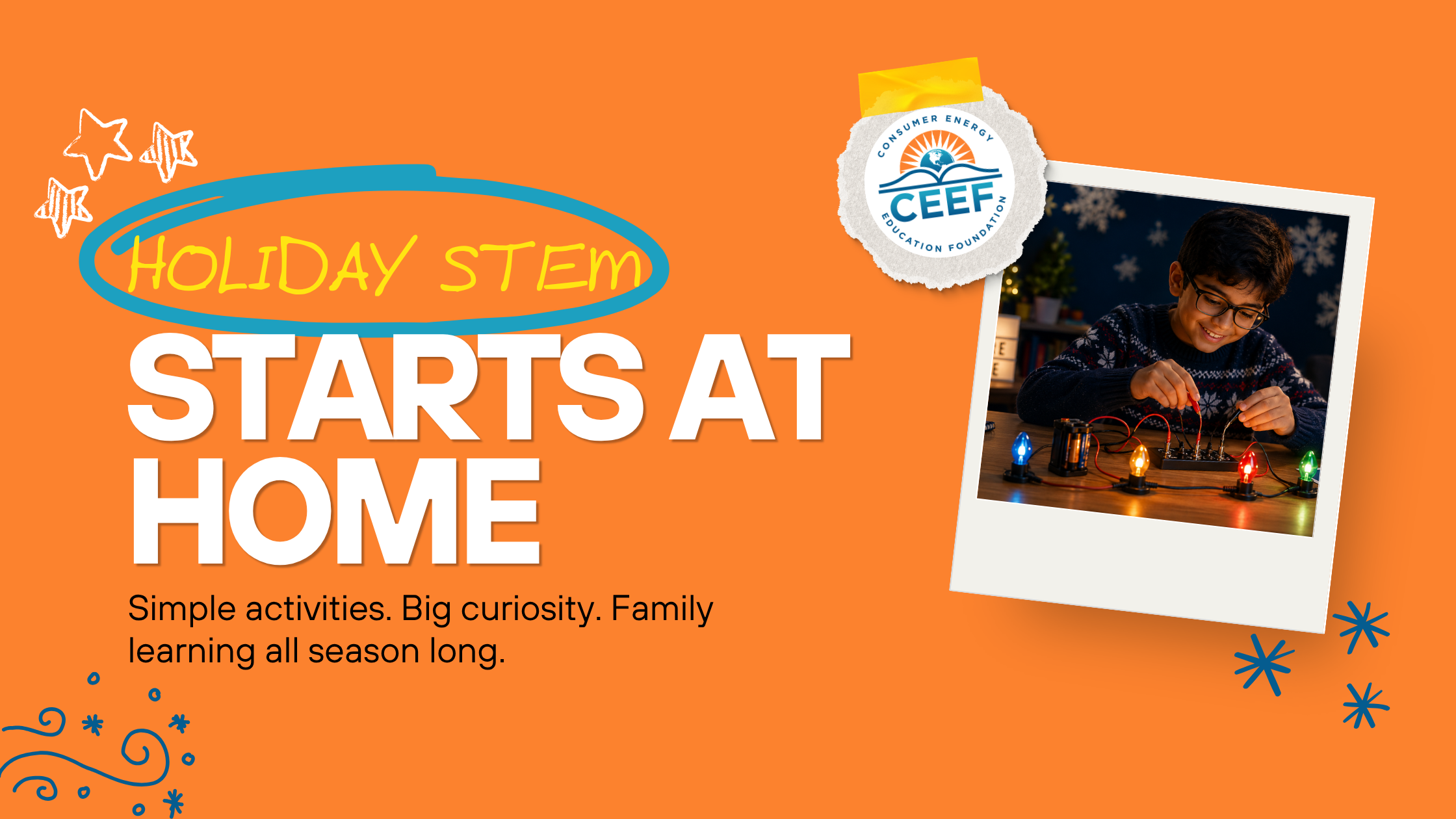
When the holiday season arrives, many parents find themselves looking for ways to keep kids engaged, curious, and learning without turning break time into more schoolwork. The good news is that the holidays are actually one of the easiest times to introduce STEM learning at home in ways that feel fun, creative, and low pressure.
STEM education during the holidays helps parents fill long days, reduce screen time, and turn everyday moments into meaningful learning experiences using materials and activities kids already enjoy.
What Parents Get Out of Holiday STEM Activities
Holiday STEM activities give parents simple solutions during a busy season.
Hands on STEM projects help keep kids occupied with purposeful play while encouraging creativity, focus, and problem solving. These activities create natural opportunities for conversation and shared time, helping families connect while learning together.
Parents also gain a better understanding of how their children think, experiment, and approach challenges. These moments often reveal interests and strengths that can guide future learning, camps, or enrichment opportunities.
Start With What Your Child Already Enjoys
The most effective way to introduce STEM learning at home is to build on your child’s existing interests.
Kids who love art can explore science and engineering through creative projects. Children who enjoy sensory play can learn about materials, reactions, and textures. Builders and makers naturally engage with engineering and design concepts.
The holidays make it easier to lean into these interests because there is more time to explore without rushing.
Turn Art and Play into STEM Learning
Simple holiday projects can introduce powerful STEM concepts without feeling like a lesson.
A color transfer experiment using shaving cream and food coloring allows kids to explore patterns, color mixing, and cause and effect. Pressing paper into swirling colors becomes both an art project and a science experiment. The finished paper can be turned into holiday cards, wrapping paper, or decorations, extending the learning beyond the activity itself.
Sensory activities like making snow without real snow introduce kids to material science and chemical reactions. Mixing baking soda and shaving cream creates a snow like texture that feels cold to the touch and can be molded into snowmen or winter scenes. This type of play supports fine motor skills, creativity, and scientific observation while keeping kids engaged for long periods of time.
Everyday Holiday Moments Are STEM Opportunities
Holiday traditions are full of natural STEM learning opportunities.
Cooking and baking introduce math, measurements, and chemistry. Decorating encourages conversations about balance, structure, and design. Winter weather opens discussions about science, energy use, and how environments differ across regions.
Parents do not need special knowledge or supplies. Asking simple questions like what do you notice or what happens if we change this helps children practice critical thinking and curiosity.
Why Holiday STEM Learning Matters
STEM learning at home helps children build skills that support long term success.
Through hands on exploration, kids practice problem solving, creativity, communication, and persistence. These skills are foundational for STEM education and future careers, including those connected to energy and technology.
When children experience STEM as fun and accessible, they are more likely to stay engaged and confident in these subjects as they grow.
This holiday season, parents can turn everyday activities into moments of discovery. By starting with what kids already love and keeping learning playful, STEM becomes part of family time and a gift that lasts far beyond the holidays.